
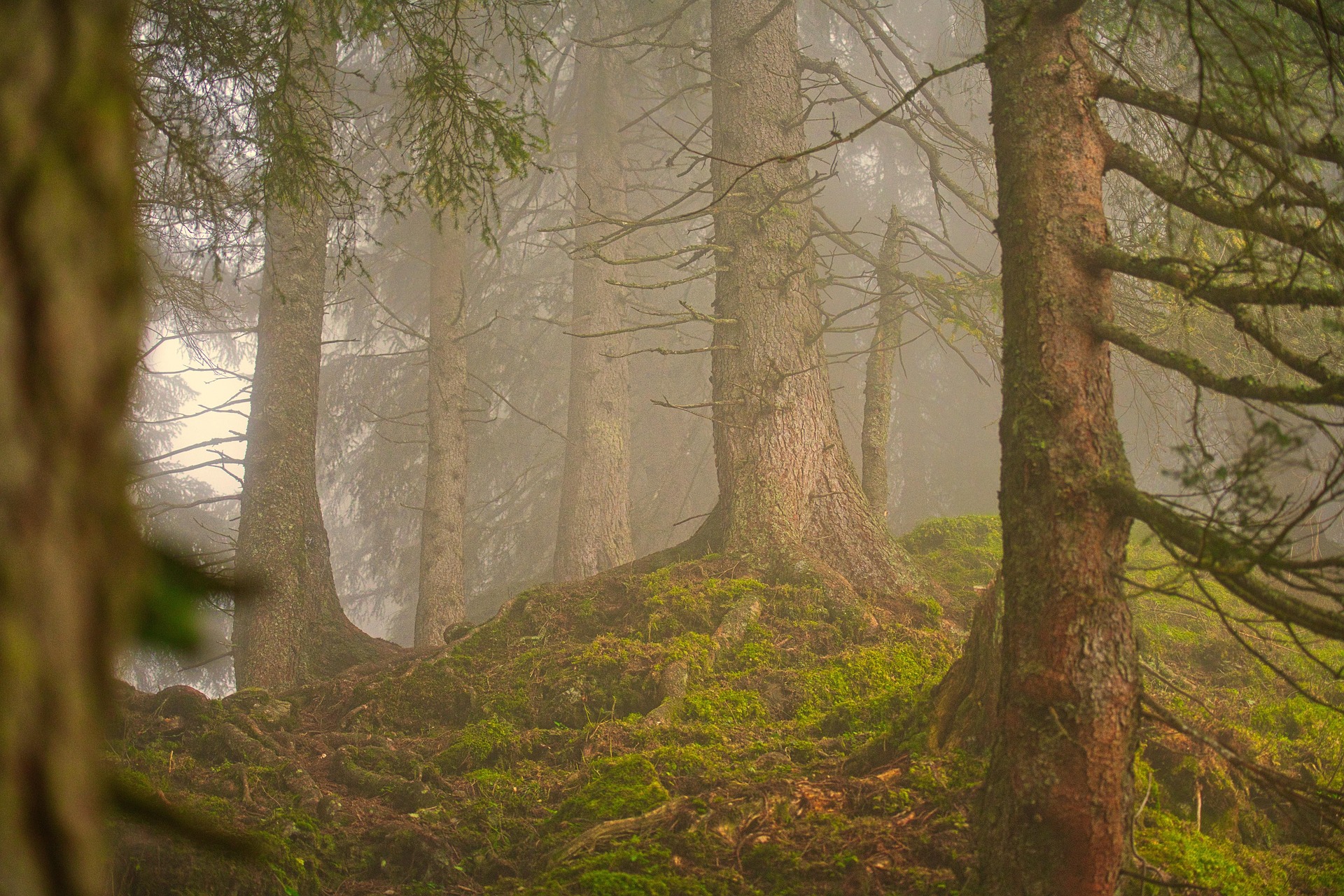
If you have ever searched for a woodsy perfume, you have probably noticed how broad the term can be.
It appears everywhere, yet it rarely points to a clear experience. Some fragrances are soft and clean, built around smooth woods and musk. Others lean greener or more resinous. Only a few actually suggest the feeling of being in a forest, where air, earth, and trees exist together.
This guide looks at what a forest scent really is, how to recognize one, and how to find a fragrance that aligns with your own sense of the outdoors.
What Does a Forest Actually Smell Like?
A forest is not a single note. It is a layered environment that shifts with light, weather, and season.
You might notice dry cedar and sun-warmed bark, or damp soil softened by rain. Moss and fallen leaves create a quiet depth, while evergreen needles and tree resins bring lift and contrast. Even the air itself has a presence, cool, slightly mineral, and always in motion.
A convincing forest fragrance brings these elements together. It does not isolate wood as a material. It builds an atmosphere.
Woodsy vs. Woody: What’s the Difference?
These two terms are often used interchangeably, but they describe different ideas.
Woody fragrances focus on wood itself. Cedarwood, sandalwood, and dry timber notes tend to feel smooth, structured, and centered.
Woodsy fragrances are more environmental. They combine wood with earth, moss, leaves, and evergreen elements. The goal is to suggest a place rather than a single material.
If you are looking for something that feels like being outdoors, “woodsy” is usually the more useful direction.
Why “Woodsy” Can Feel Vague (And How to Read It)
“Woodsy” is a flexible descriptor, which is part of why it can be difficult to interpret.
In some fragrances, it leans toward clean woods with a soft, musky finish. In others, it becomes greener or more resinous, shaped by notes like pine, fir, or moss. Neither approach is more correct. They simply create different experiences.
A practical way to read it is to look at the supporting structure:
- Evergreens (pine, fir, cypress) point toward a fresh, outdoor character
- Moss and earth notes add depth and a grounded feel
- Resins (balsam, olibanum) bring warmth and density
Once you start noticing these patterns, the label becomes more meaningful.
Types of Forest Scents
Not all forest fragrances move in the same direction. Most fall into a few recognizable styles:
Evergreen Forest
Bright, green, and resinous
This style captures the clarity of pine needles and high mountain air.
Alpine Rise explores this space through fir balsam layered with oud and olibanum. The evergreens are vivid, but there is a deeper resinous structure beneath them, which gives the scent weight and presence.
Balanced Forest Air
Clean, soft, and easy to wear
This is the feeling of moving through a forest without heaviness or density.
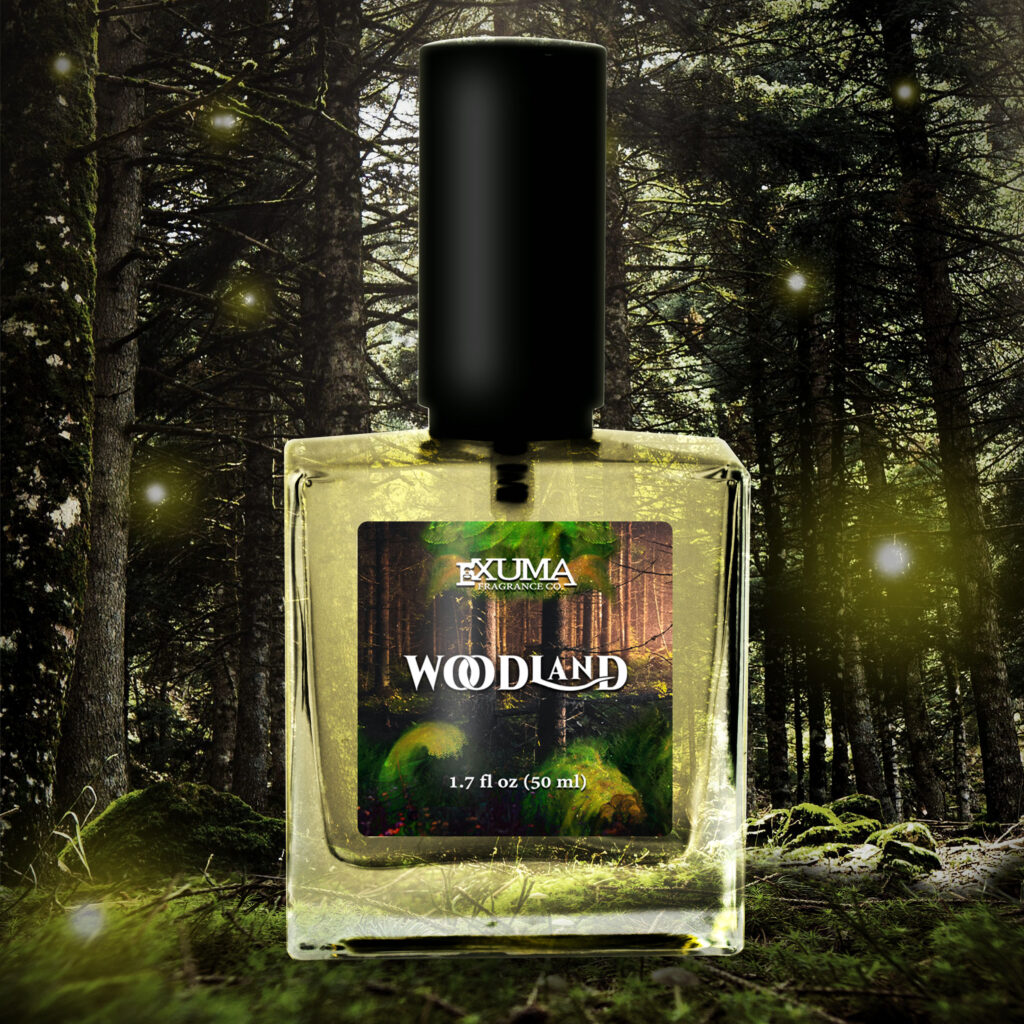
Woodland brings together evergreen notes, soft woods, and a light earthiness into a composition that stays close to the skin. It is calm, breathable, and quietly immersive, something that can be worn every day without effort.
Damp Forest Floor
Earthy, grounded, and steady
This direction focuses on soil, roots, and the darker, more textural side of the forest.
Patchouli Woods leans into the natural character of patchouli, supported by vetiver and woods. It feels rooted and stable, less about fresh air and more about what sits beneath it.
Rain-Soaked Woods
Cool, atmospheric, and mineral
This style captures the moment when rain transforms the environment.
Rainstorm centers on petrichor, with damp soil, wet stone, moss, and softened wood. It feels less like a traditional fragrance and more like a shift in atmosphere.
If this direction resonates, there is a deeper exploration of rain-focused scents in our petrichor guide.
These categories are not strict, but they offer a clearer way to think about what “woodsy” can actually mean.
How to Choose a Forest Fragrance
The best starting point is your own experience.
Some people are drawn to the brightness of evergreens. Others prefer dry wood, or the depth of damp earth after rain. There is no single “correct” forest scent, only the one that feels familiar to you.
Fragrance is subjective, and descriptions can only go so far. The most reliable approach is to experience a few variations on skin and notice how they develop over time.
If you are unsure where to begin, sampling is often the most useful step.
“Woodsy” is often treated as a simple label, but it becomes much more meaningful when you look at what shapes it.
A well-composed forest scent does not rely on a single note. It builds a sense of place through contrast and balance. When it works, the effect is subtle but convincing, something that feels recognizable without needing explanation.
For those who connect with that kind of detail, the difference is clear.